Is Karon Beach Safe? Flags, Rip Currents and Emergency Numbers
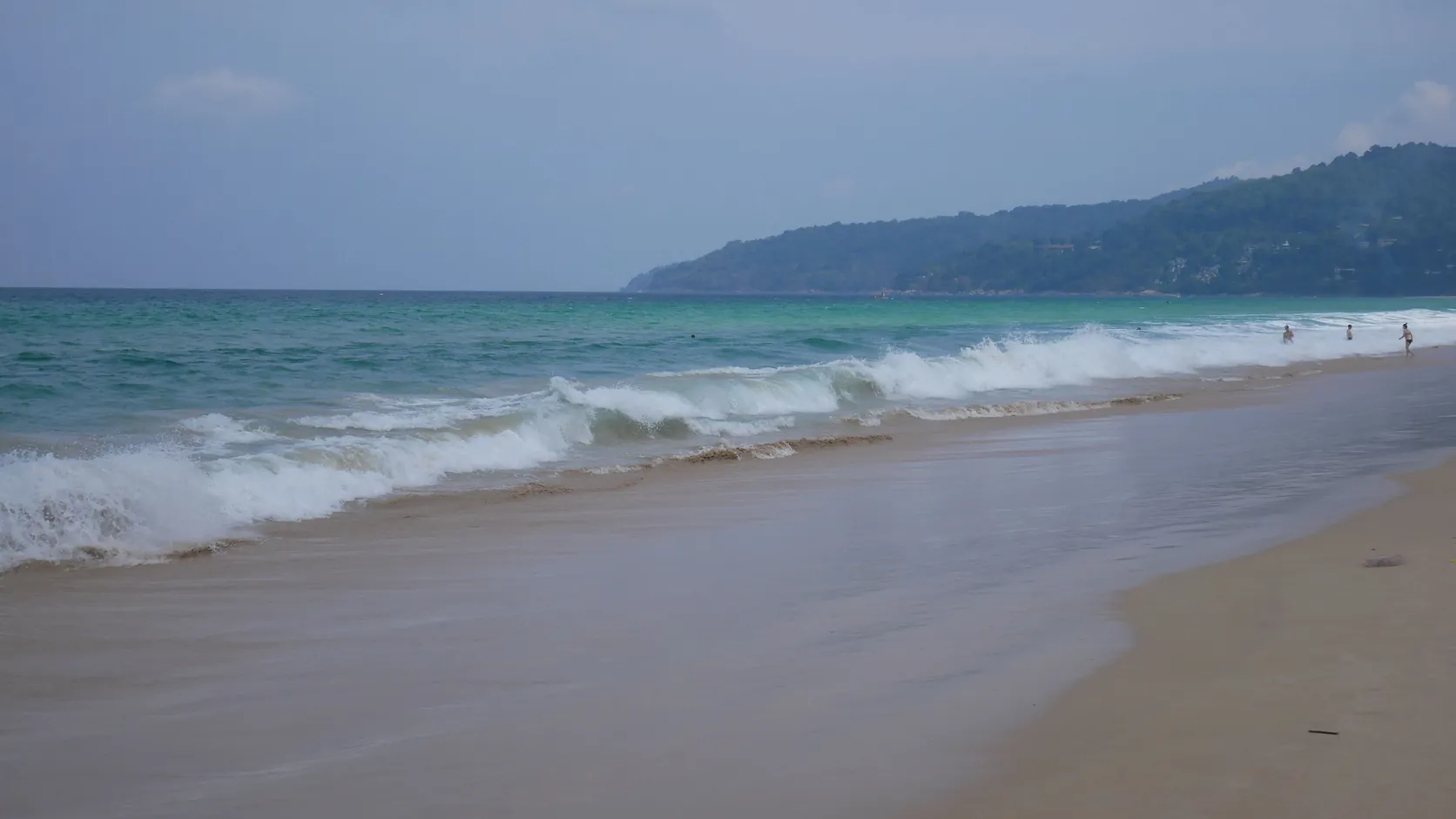
Is Karon Beach safe? For a swim, it depends on the month and on the flag in front of you. The Tourism Authority of Thailand (TAT) describes Karon as ideal for swimming in the high season, but warns that from May to October the open bay may have serious undertows, so swimmers should watch the warning flags, especially at the southern end.
If you live in Karon or stay for a season, you will see the sea in every mood. Below you will find what each flag means, how rip currents work, what to do if one pulls you out and which numbers to keep on your phone.
How the Risk at Karon Beach Changes Through the Year
Karon faces the Andaman Sea on Phuket’s west coast, so the southwest monsoon shapes the sea here. The Thai Meteorological Department (TMD) puts the rainy season from mid-May to mid-October, when the southwest monsoon brings cloud and heavy rain, especially on coasts. The start and end vary from year to year.
The Land Development Department says rainfall on the southern west coast peaks in September. At TMD’s Phuket station, the prevailing wind blows from the west from May to October. That is the season when TAT warns of serious undertows at Karon.
The four driest months on TMD’s 1991–2020 record for Phuket are December to March, and they are the easiest months for swimming. Even then, check the water first: the US National Weather Service notes that rip currents often form on calm, sunny days.
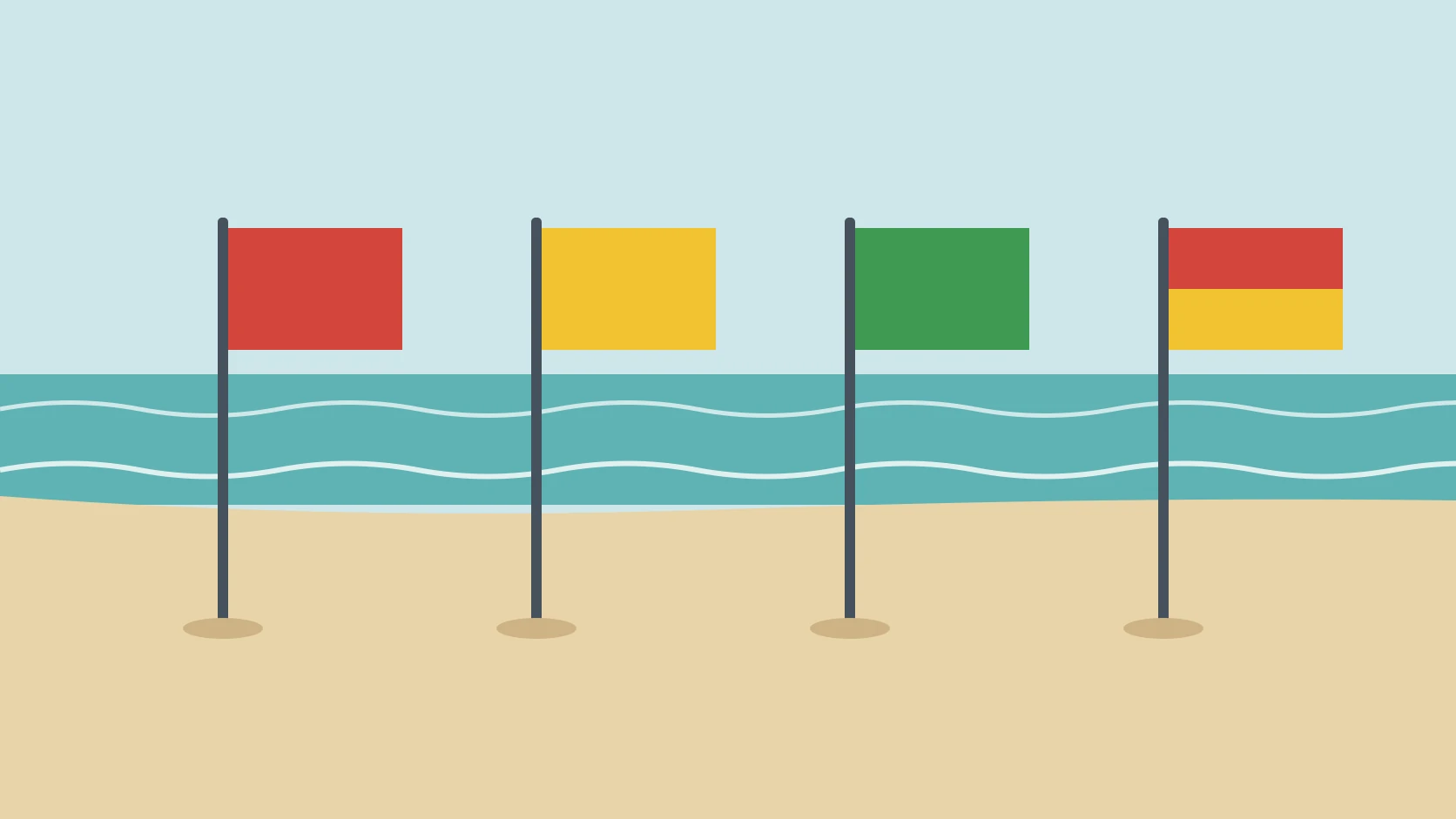
Swimming is allowed, but there is still medium risk
Swim with care and stay close to shore
Green
Calm conditions for swimming
Swim normally and keep watching the sea
Red and yellow
Lifeguards are on duty
Swim in the area the lifeguards watch
During the monsoon season, local Phuket authorities put up red flags with warnings in Thai, English, Chinese and Russian. They ask visitors not to enter the water while the flags are up, because even water that looks shallow can have powerful waves that sweep people into deep water.
If the flag or a lifeguard on the day tells you something different from this table, follow the flag and the lifeguard.
How to Spot a Rip Current
A rip current is a strong current running out to sea. It can quickly drag people from the shallows into deeper water. NOAA describes rips as powerful, narrow channels of fast-moving water.
The RNLI, the lifeboat charity for the UK and Ireland, says rips usually flow at 1–2 mph and can reach 4–5 mph, which is faster than an Olympic swimmer. They are especially powerful in bigger surf, and they also form near river mouths and structures such as piers.
Rips can be hard to see. According to the RNLI, you can sometimes pick one out as a channel of churning, choppy water, and lifeguards will show you where they are if you ask. Before you go in, stand on the sand for a while and watch. If you see a channel like that, swim somewhere else.
What to Do If a Rip Current Pulls You Out
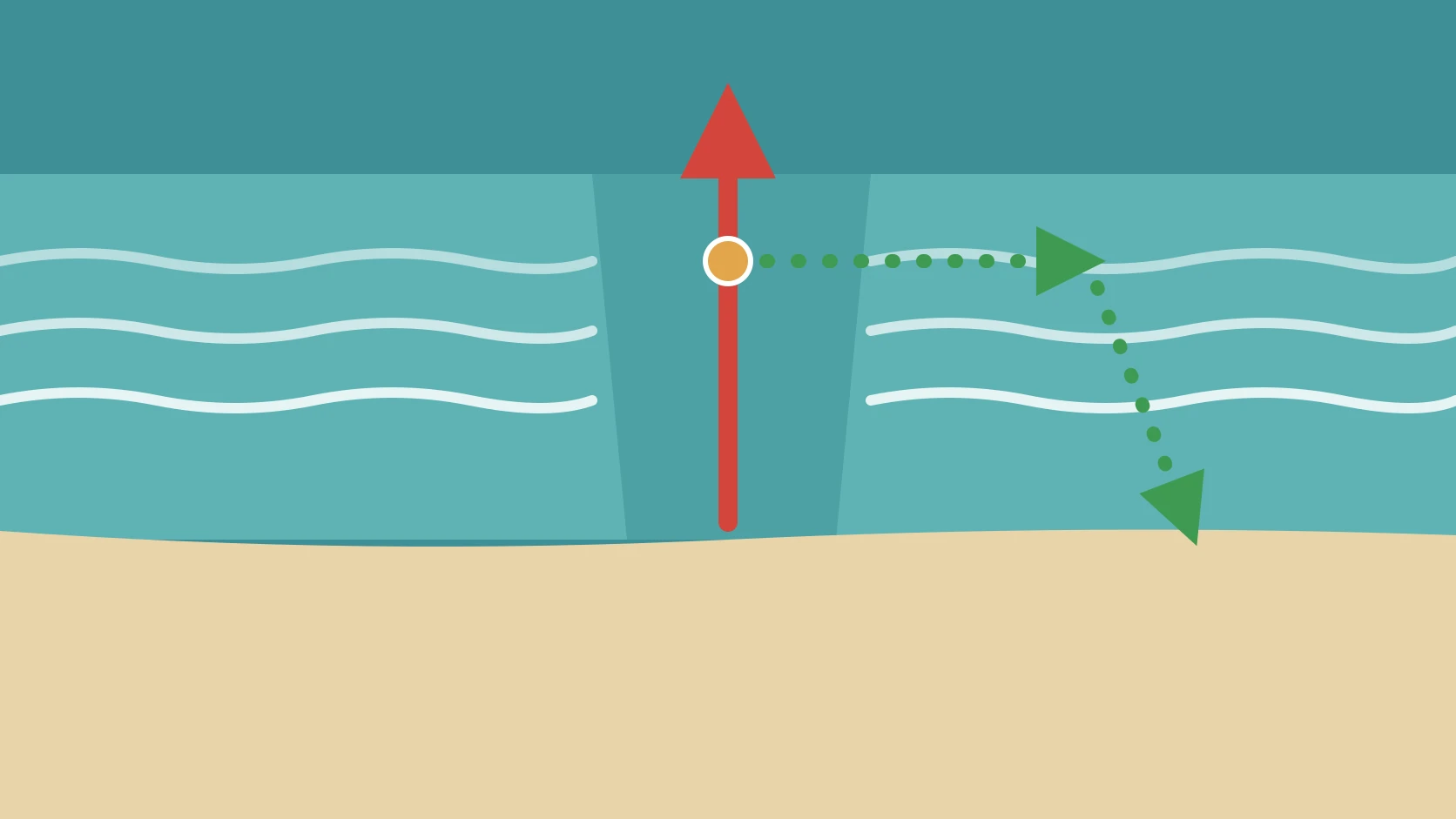
NOAA warns that swimmers who panic and try to swim straight back to shore can tire and drown. The RNLI and NOAA give these steps instead:
Do not swim against the current. It will only tire you out.
Float. The RNLI calls this Float to Live: tilt your head back with your ears under water, slow your breathing and move your hands and legs to stay up. It is fine if your legs sink.
If your feet reach the bottom, wade rather than swim.
Wade or swim parallel to the shore until you are out of the pull, then head back to the beach at an angle.
Raise your hand and shout for help.
The RNLI suggests practising your float in a supervised place such as a swimming pool, so the move feels familiar if you ever need it at sea.
How to Help Someone in Trouble in the Water
Thailand’s Department of Disease Control (DDC) says you should not jump in to rescue a drowning person, because they may panic and pull you under.
Its method has three steps: shout, throw and extend.
Shout: call to people nearby and get someone to phone the Emergency Medical Service on 1669.
Throw: toss them something that floats, such as a swim ring or an empty plastic bottle tied to a rope.
Extend: hold out a stick, belt or cloth for them to grab, then pull them in.
If lifeguards are on duty, alert them straight away, as the RNLI advises.
Lifeguards at Karon Beach
A red-and-yellow flag on a Phuket beach means lifeguards are on duty. Swim in the area they watch. The US National Weather Service gives the same advice for any surf beach: only swim where there are lifeguards.
If you are unsure about a swim, TAT suggests asking the lifeguards whether they are on duty or checking with your hotel staff. At the tower, ask which stretch of sand they cover and what time they finish. In the wet season, TAT asks swimmers to watch the flags with extra care at the southern end of Karon.
If a lifeguard blows a whistle or waves you in, come out of the water and ask why once you are on the sand.
Emergency Numbers to Save Before You Swim
Thailand’s Ministry of Foreign Affairs lists these hotlines for foreign nationals. Put them in your phone now, not on the beach.
Service
Number
Emergency Medical Services (ambulance)
1669
General emergency
191
Tourist Police
1155
Fire and rescue
199
The Ministry’s list does not say which lines have English-speaking operators, so be ready to give a simple location, such as the name of the nearest hotel or beach entrance.
For weather, TMD posts numbered warnings in English on its warnings page. Tsunami warnings come from the National Disaster Warning Center through channels including warning towers, SMS and the Broadcast Alert System app.
A Beach Routine for Karon Residents
If you live near the sea, you will make the same beach decision many times a year, and a habit makes it quicker. Ever Prime Residences is planned on Patak Road in Karon. According to the developer’s brochure, Kata Beach is 0.9 km and Karon Beach 1.4 km from the project. The brochure also lists Health Plus Medical Clinic at 0.2 km and Chalong Hospital at 6.0 km.
A routine that works from any home near Karon:
Check TMD’s warnings before you leave home.
Look at the flag when you reach the sand, and again later in the day.
Swim where the red-and-yellow flags show lifeguards on duty.
On red-flag days, swim in a pool instead. The brochure lists double lap pools and an ocean-view rooftop pool at Ever Prime Residences.
Yes, when the flags allow it. TAT calls Karon ideal for swimming in the high season but warns of serious undertows from May to October. Swim only where lifeguards are on duty and never when a red flag is up.
Does Karon Beach have rip currents?
TAT warns that the open bay may have serious undertows from May to October. Rip currents can also form on calm, sunny days, so check conditions every time.
What does a red flag mean at Karon Beach?
A red flag means do not swim. Phuket authorities ask people to stay out of the water while red flags are up, even in water that looks shallow.
What should I do if I am caught in a rip current?
Do not swim against it. Float, wade if you can stand, move parallel to the shore until the pull eases, and raise your hand and shout for help.
What number do I call for an emergency in Phuket?
Call 1669 for an ambulance or 191 for general emergencies. The Tourist Police number is 1155.
Final Takeaway
Is Karon Beach safe? On a calm day, with no red flag and lifeguards in sight, it suits a swim. In the wet season and in big surf it can be dangerous, and the flag on the day decides. Learn the flag colours, practise floating in a pool and keep the emergency numbers in your phone.
This article is general safety information. Sea conditions change daily, so always follow the flags, the lifeguards and local authority instructions on the day.
All project specifications, facilities and distances are taken from the developer’s brochure and are subject to change without notice.
Image note: The beach photo is credited under the image. The diagrams are illustrations, and the pool image is from the Ever Prime Residences computer-generated renderings, not a photograph of the completed project.