Property for Sale in Thailand: Who Is Buying in Phuket in 2026?
Who buys property for sale in Thailand and Phuket in 2026? REIC data on foreign condo buyers by nationality, what...
Read More →



Condo insurance in Thailand comes in two parts: any cover the building arranges for the common property, and the cover you arrange for your own unit, belongings and liability. Under the Condominium Act, your unit is your own property while the structure, land and shared systems are common property. Which side of that line a loss falls on decides whose policy should pay.
The Condominium Act separates two kinds of ownership. Your personal property is your unit, plus any building or land assigned to it. Common property is everything that is not a unit: the land the building stands on and the parts and systems all owners share. The Act’s list of common property includes the structure, shared equipment, service areas and systems such as fire protection, lighting, ventilation, drainage and waste-water treatment.
You own your unit outright and co-own the common property with the other owners. The condominium juristic person manages and maintains the common property, through a manager and a committee that the general meeting appoints.
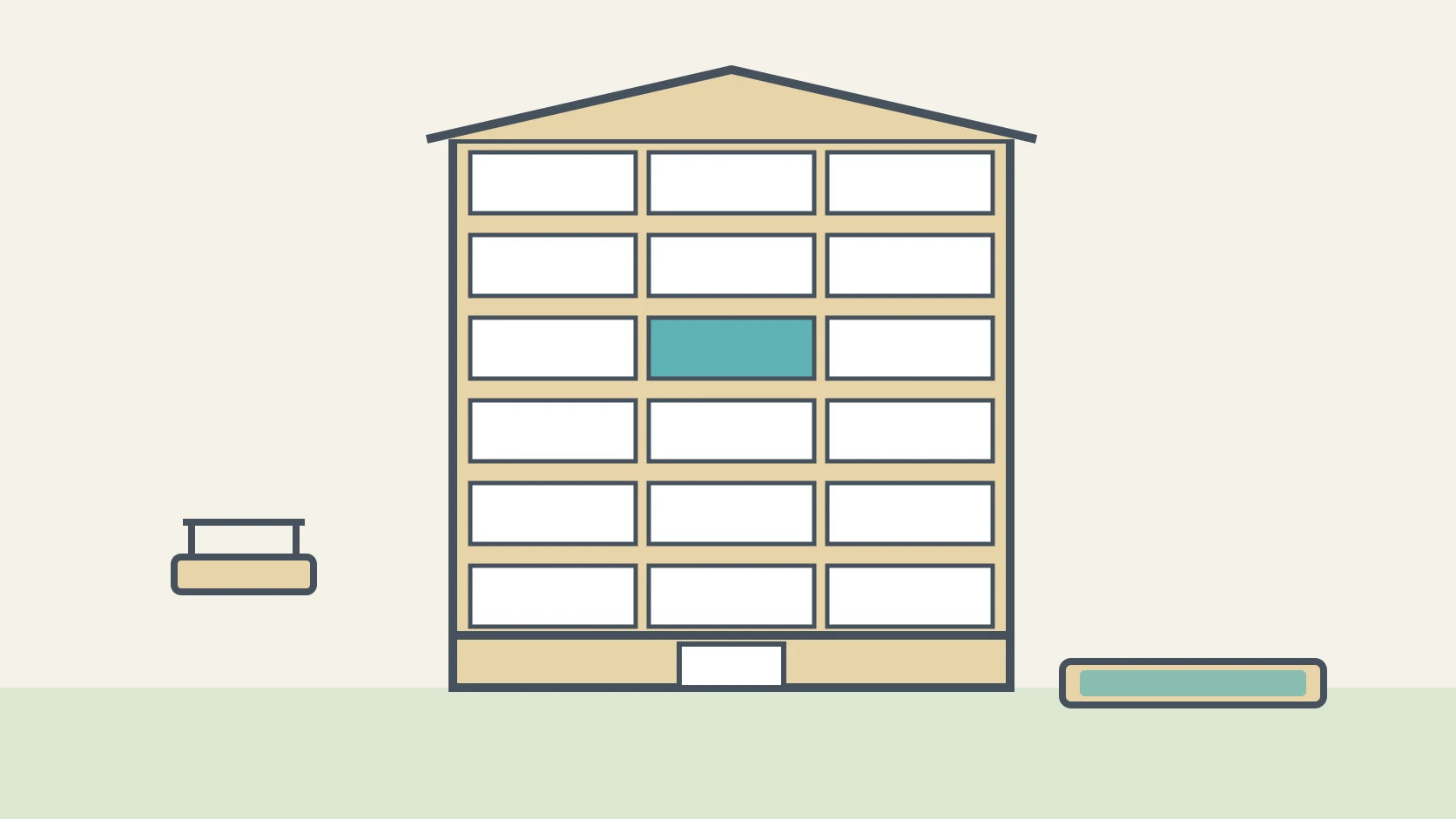
The consolidated text of the Condominium Act contains no provision on insuring the building. Whether a building has cover, and for which risks, is therefore a matter for that building. The regulation covers how common property is managed, and owners decide matters at general meetings, including approval of the financial statements each year.
Our guide to Karon condo CAM fees and ownership costs notes that a building’s master policy may cover certain common-property risks without fully protecting your contents or improvements.
Before you buy, ask the juristic person or the developer:
Add them to the questions in our international buyer checklist for a Phuket condo.
Your own policy is for what the building’s cover does not reach: contents, interior fit-out and personal liability.
Contents means furniture, appliances, electronics and personal belongings in the unit.
Interior fit-out means built-in wardrobes, kitchen upgrades, flooring and other improvements you paid for. Ask the juristic person where the building policy stops, so that your own policy starts at the same line.
For liability, under the Civil and Commercial Code, a person who wilfully or negligently damages another person’s property must compensate them, and the possessor of a building can be liable for damage caused by defective construction or poor maintenance. A leak from your bathroom into the unit below is one example, though liability depends on the facts and a lawyer should look at any real case.
Our CAM fee guide also suggests that owners who furnish a unit, to live in or to rent, consider contents or landlord cover.
Letting changes the risk, and the insurer needs to know. Under the Civil and Commercial Code, if you knowingly fail to disclose facts that could have led the insurer to charge more or refuse cover, the contract is voidable. Tell the insurer whether the unit is let long term, let by the night, or empty for long periods.
Then ask whether the policy covers:
If you plan to let the unit, our guide to rental yield in Phuket lists insurance among the running costs that turn gross yield into net yield.
A policy must state, among other things, what is insured, the perils covered, the sum insured, the premium, the policy period and the names of the insurer and insured. Compare those items line by line.
| Check | Why it matters |
|---|---|
| Perils covered | Fire, water damage, storm and theft may each be listed or left out. Read the list itself. |
| Sum insured | The insurer pays the actual loss but never more than the sum insured. |
| Exclusions | By law the insurer is not liable for loss from the insured’s fraud or gross negligence, or from an inherent defect unless agreed. Read the policy’s own list too. |
| Excess | The part of each claim you pay yourself. |
| Letting | Whether cover continues when the unit is rented. |
| Licence | The insurer or broker should appear on the OIC’s lists of licensed companies. |
The website of the Office of Insurance Commission (OIC) links to lists of licensed life and non-life insurers and licensed insurance brokers, and to a public complaint portal. Check the OIC consumer page before you sign.

When something goes wrong, take reasonable steps to stop the damage getting worse. Under the Civil and Commercial Code, the insurer pays the actual loss plus damage from reasonable steps to prevent loss and reasonable costs of saving the insured property.
Then:
If a neighbour or contractor caused the loss, an insurer that pays you takes over your rights against that person up to the amount paid.
A claim for compensation under an indemnity insurance cannot be brought to court more than two years after the date of the loss. Your policy sets its own, separate notice period for telling the insurer.
If you sell, tell your insurer. When you transfer insured property and notify the insurer, the rights under the policy pass to the new owner unless the policy says otherwise.
If a dispute with an insurer cannot be settled, the OIC runs a complaint portal and a hotline, 1186.
Completion of Ever Prime Residences in Karon is expected in December 2028. The date may change; the developer’s latest official announcement takes precedence.
The brochure says each owner pays a maintenance fee that covers all common areas, security, pest control, rubbish collection and the estate management service. It does not say whether the building will be insured.
Until that is confirmed, plan your own contents and liability cover to start from the day you receive the keys, and ask the sales team for the answer in writing.
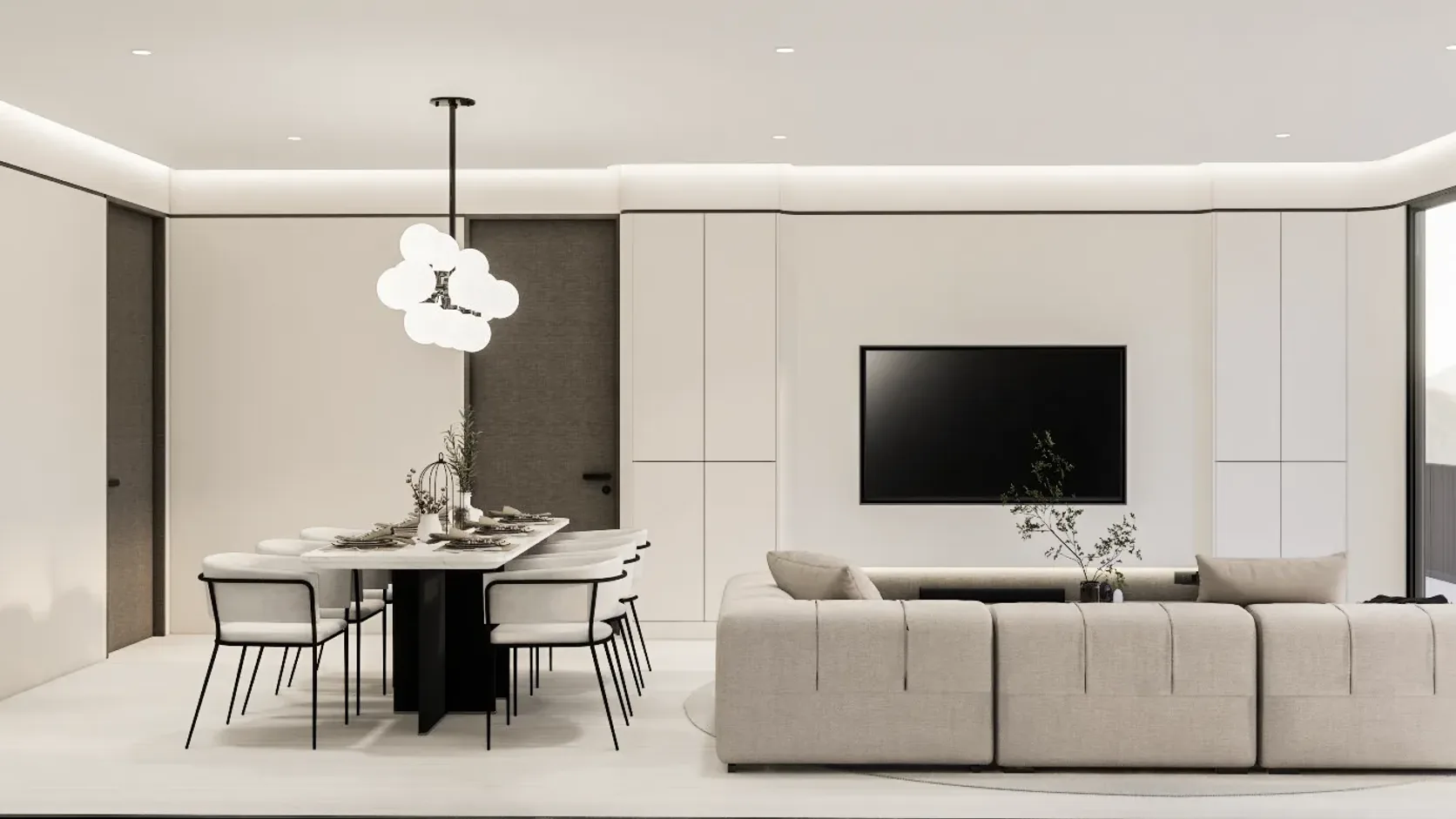
Computer-generated image
The Condominium Act contains no provision on insuring the building. Check the building’s regulation and any loan agreement, and ask a lawyer if you need a definite answer.
Do not assume so. Your furniture is your own property, and a building’s master policy may cover common-property risks without protecting unit contents. Insure contents separately.
You can be liable for damage caused by your negligence or by poor maintenance. Check that your own policy includes personal liability cover, and ask a lawyer about a specific case.
Use the lists of licensed insurers and brokers linked from the OIC website.
Your policy sets the notice period, so read it. Separately, a court claim under indemnity insurance must be brought within two years of the loss.
For condo insurance in Thailand, find out what the building insures first, then cover the rest yourself: your contents, your fit-out and your liability, with the insurer told how you use the unit. Read the perils, exclusions and sum insured before you compare prices.
For written answers about Ever Prime Residences, including the insurance question above, contact the Ever Prime Residences team.
This article is general information, not legal or financial advice.
All project specifications, facilities and distances are taken from the developer’s brochure and are subject to change without notice.
Image note: The umbrella, building and policy images are illustrations. The living area image is from the Ever Prime Residences computer-generated renderings, not a photograph of the completed project.